
The Ultimate Guide to Choosing and Using Bungee Cords: A Manufacturer’s Perspective
As a leading manufacturer of tie-downs and bungee cords, we understand that selecting the right product for your needs can be overwhelming. This guide demystifies bungee cord materials, construction, and applications while providing actionable tips to help you make cost-effective choices.
BUNGEE CORDS
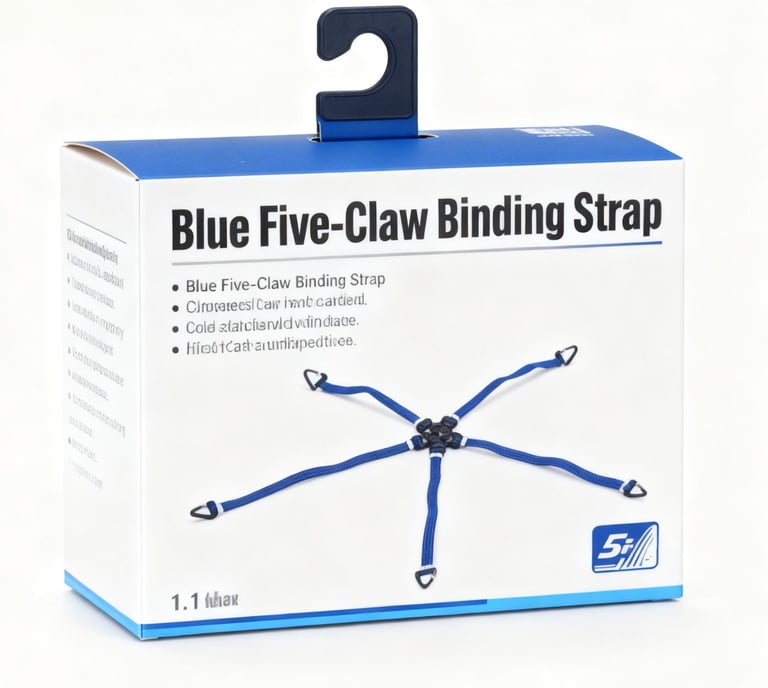
The Ultimate Guide to Choosing and Using Bungee Cords: A Manufacturer’s Perspective
As a leading manufacturer of tie-downs and bungee cords, we understand that selecting the right product for your needs can be overwhelming. This guide demystifies bungee cord materials, construction, and applications while providing actionable tips to help you make cost-effective choices.
1. Understanding Bungee Cord Components
A bungee cord is not just a stretchy rope—it’s an engineered system designed for durability and performance. Its core components include:
1.1 Elastic Core
The heart of every bungee cord is its elastic core, which provides the stretch and rebound force. Common materials include:
· Natural Latex Rubber: Known for superior elasticity, natural latex offers consistent rebound and resistance to tearing. High-quality cords use multiple latex strands braided together to enhance strength.
Example: Our 8-strand braided latex cores are rated for 500+ rebound cycles without permanent deformation.
· Synthetic Rubber (EPDM/NBR): Cheaper alternatives that mimic latex but often degrade faster under UV exposure or extreme temperatures.
Warning: Avoid cords labeled "PVC-coated" for heavy-duty use—they lose elasticity in cold weather.
1.2 Outer Sheath
The protective sheath shields the elastic core from abrasion, UV rays, and moisture. Common materials:
· Polyester: Most durable, with excellent UV and chemical resistance. Ideal for outdoor use.
Pro Tip: Check for tightly woven sheaths—loose weaves indicate poor quality.
· Nylon: Lightweight and flexible but less UV-resistant than polyester.
· Polypropylene: Budget-friendly but prone to cracking under prolonged sun exposure.
1.3 End Fittings
Hooks and loops determine attachment security:
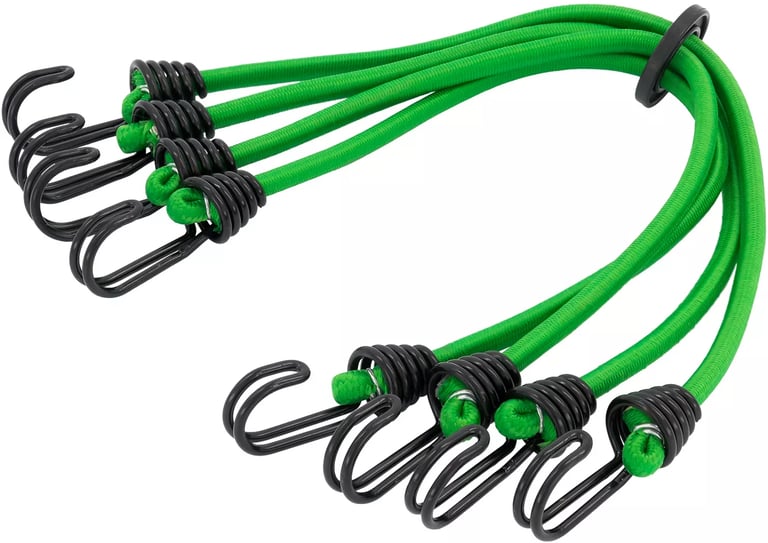
· Steel S-Hooks: Common but prone to rust. Opt for zinc-plated or vinyl-coated hooks for corrosion resistance.
· Carabiners/Cam Buckles: Offer quick-release functionality for frequent adjustments.
· Custom Fittings: Some cords feature loops or swivels for specialized applications (e.g., marine rigging).
2. How to Choose the Right Bungee Cord
2.1 Assess Your Load Requirements
· Light-Duty (10–50 lbs): For securing bicycles, camping gear, or tarps. Choose 4–8mm diameter cords with polyester sheaths.
· Medium-Duty (50–150 lbs): Ideal for motorcycles, small trailers, or furniture. Opt for 10–12mm cords with braided latex cores.
· Heavy-Duty (150+ lbs): For construction materials, boats, or industrial equipment. Use 15mm+ cords with reinforced sheaths and dual hooks.
Example: Our Heavy-Duty Bungee Set (12mm x 1.8m) withstands 200 lbs of tension, making it perfect for securing ATVs.
2.2 Material Quality Matters
· Latex vs. Synthetic Rubber: Natural latex cores last 3–5x longer than synthetic alternatives.
Test: Stretch a cord to 150% of its length—if it doesn’t return to 90% of its original length, it’s low-quality.
· Sheath Durability: Rub the sheath with your fingernail. If it frays easily, avoid it.
· Corrosion Resistance: For marine or humid environments, choose stainless steel hooks or plastic-coated fittings.
2.3 Certifications and Safety Standards
Reputable manufacturers test their products to international standards:
· TUV/GS Certification: Ensures compliance with European safety regulations.
· ANSI/ASME Standards: Required for industrial-grade cords in the U.S.
· Breaking Strength Labels: Always check the maximum load rating (e.g., "50kg Max Load").
Warning: Never exceed 70% of a cord’s rated capacity to prevent failure.
3. Cost-Effective Buying Strategies
3.1 Bulk Purchases vs. Individual Cords
· Bulk Sets (10–30pcs): Cost-efficient for frequent users (e.g., campers, contractors).
Example: Our 30-Piece Assorted Set includes 6mm, 8mm, and 12mm cords for $24.99—a 40% savings vs. buying individually.
· Single Premium Cords: Better for specialized tasks (e.g., securing a kayak).
3.2 Brand Reputation vs. Generic Products
· Trusted Brands: Invest in cords from manufacturers with warranties and customer support.
Our Promise: All products come with a 2-year warranty against defects.
· Generic Alternatives: Check reviews for consistency. Avoid cords with excessive plastic packaging—it often hides poor craftsmanship.
3.3 Seasonal Sales and Discounts
· Holiday Promotions: Black Friday and Christmas sales often offer 20–30% off.
· Bundle Deals: Look for free shipping or free accessories (e.g., storage bags) with large orders.
4. Practical Applications and Usage Tips
4.1 Common Use Cases
· Transportation: Secure luggage on roof racks or motorcycles.
Tip: Usedual-hook cords to prevent slippage during transit.
· Camping: Hang gear, stabilize tents, or dry clothes.
Pro Hack: Attach a cord between two trees to create a makeshift clothesline.
· Home Organization: Bundle cables, hold tools, or close snack bags.
Example: Our 4mm Mini Cords are perfect for tidying desk drawers.
4.2 Proper Usage Techniques
1. Avoid Overstretching: Never stretch a cord beyond 150% of its relaxed length.
2. Inspect Regularly: Check for frayed sheaths, rusted hooks, or weakened elastic.
3. Store Properly: Keep cords away from direct sunlight and moisture to prolong lifespan.
4. Replace Worn Cords: If a cord loses elasticity or shows signs of damage, discard it immediately.
4.3 Safety Precautions
· Eye Protection: Wear goggles when handling cords under tension to prevent snapback injuries.
· Weight Limits: Never use a cord to lift or suspend human weight (e.g., for bungee jumping without professional equipment).
· Child Safety: Keep cords out of reach of children—hooks can cause puncture wounds.
5. FAQs for Consumers
Q: How long do bungee cords last?
A: With proper care, high-quality cords last 3–5 years. Cheap alternatives may degrade within months.
Q: Can I use bungee cords for bungee jumping?
A: No! Commercial bungee jumping requires specialized cords rated for thousands of pounds and professional installation.
Q: Are bungee cords waterproof?
A: Most are water-resistant but not fully waterproof. For marine use, choose cords with waterproof-treated sheaths.
Q: What’s the difference between bungee cords and tie-down straps?
A: Bungee cords provide elastic tension for light securing, while tie-down straps (e.g., ratchet straps) offer rigid, non-stretchy holding power for heavy loads.
Conclusion: Your Smart Buying Checklist
1. Match cord strength to your load (light/medium/heavy-duty).
2. Prioritize natural latex cores and polyester sheaths.
3. Check for certifications (TUV/GS, ANSI).
4. Buy from reputable brands with warranties.
5. Inspect and replace cords regularly for safety.
By following this guide, you’ll make informed decisions that balance cost, durability, and performance. For questions or bulk orders, contact our team at [eason@truckbrotools.com]—we’re here to help!
Manufactured with precision. Trusted by professionals worldwide. ��
Subscribe to our newsletter


Professional cargo control solutions provider. High-quality tie downs, bungee cords, ropes and cargo securing products for the transportation industry.
CORE VALUES
Quality Craftsmanship
Safety First
Versatile Applications
Constant Innovation
Customer Commitment